Facilitation — Strategic design
Strategy & Workshops
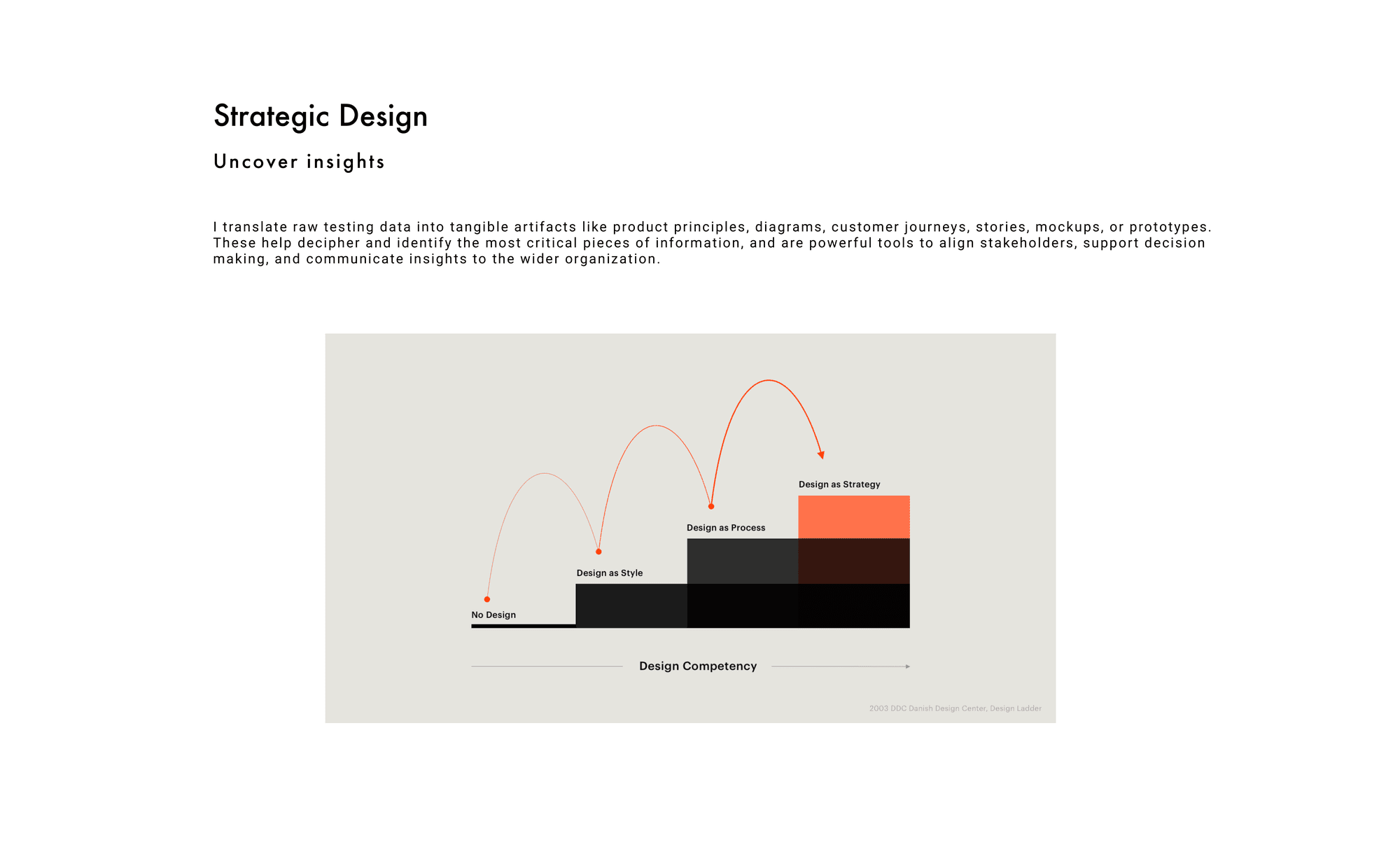
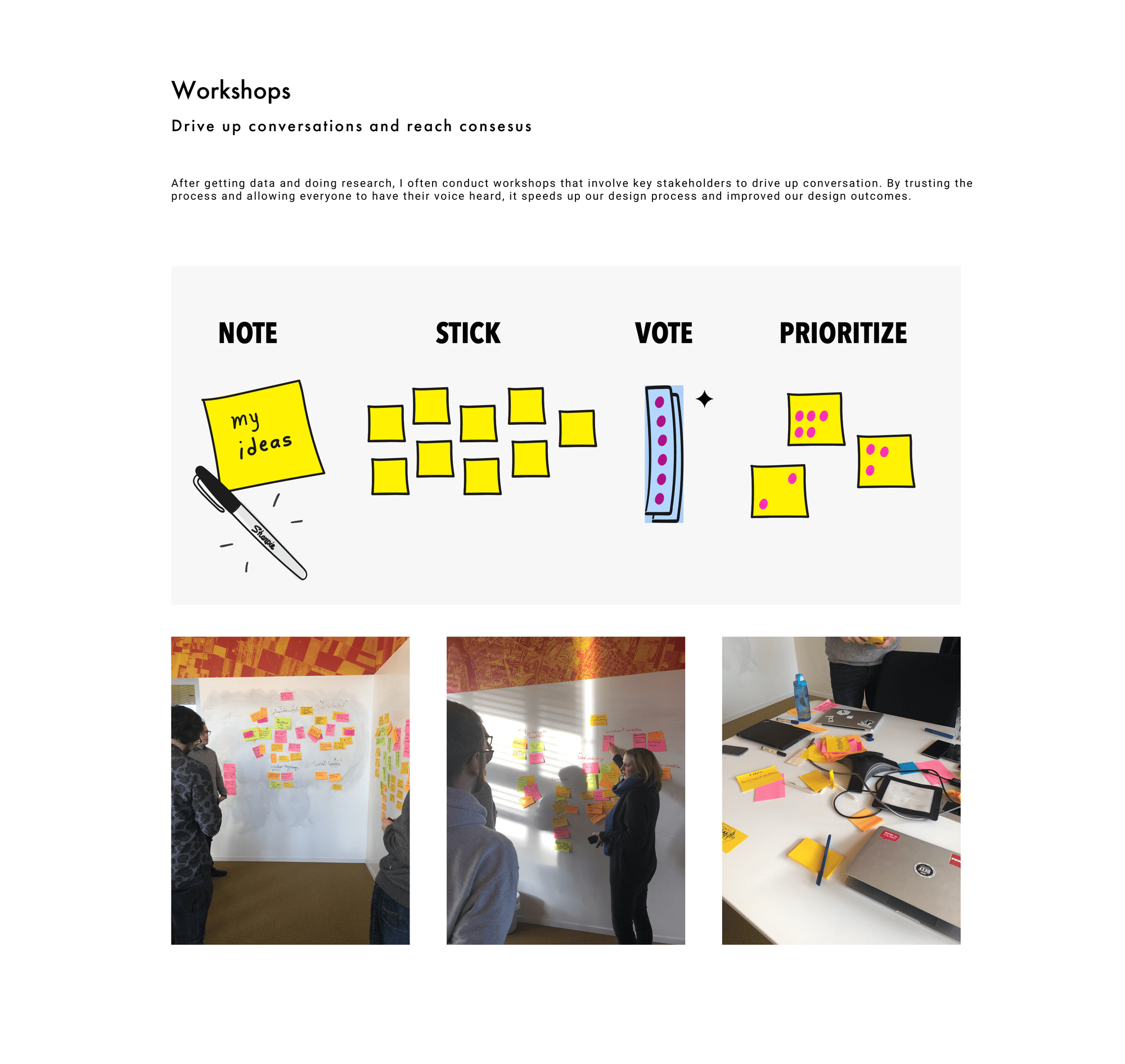
To build design culture in the companies I work with, I take the initiative to start conversations — running workshops with management and stakeholders, and using research and testing tools to generate consensus.
The problem
Design decisions stall when management and stakeholders aren’t aligned — building design culture takes more than good screens.
My role
Facilitator: setting agendas and goals, running workshops with management and key stakeholders, and using research and testing tools to ground the discussion.
Core decision
The agenda is the design work. A workshop exists to reach a documented decision, not to generate ideas.
The outcome
Shared understanding and faster decisions between design, product and leadership.
01 Why I facilitateProjects do not fail because the screens were wrong. They fail because nobody surfaced the disagreement in time.
The projects I have seen fail did not fail because the screens were wrong. They failed because the people funding, building and selling the product held different assumptions about what it was for, and nobody surfaced that until the work was already built. By the time the disagreement appears in a design review it is expensive, and it presents as a design problem when it is actually an alignment problem.
Running workshops is how I address that before it becomes costly. Not as a service I offer, but as something I initiate in the companies I work with — because a designer who waits to be handed aligned requirements will spend most of their career redoing work.
Workshops are for alignment, not ideas
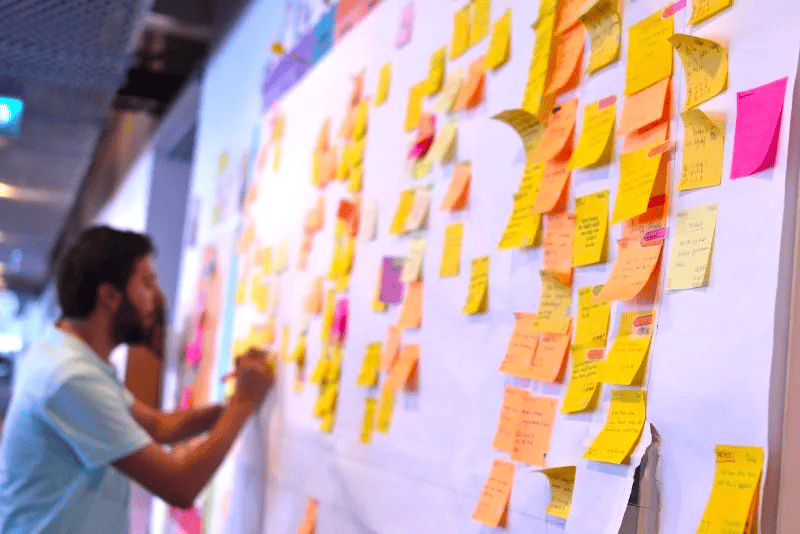
The common misconception is that a workshop exists to generate ideas. In my experience the ideas are rarely the shortage. What is scarce is a shared, explicit understanding of the problem, the constraints and the criteria for a good answer. A workshop that produces fifty sticky notes and no decision has failed. One that produces three decisions and a documented rationale has succeeded, however unspectacular the room felt.
The agenda is the design work
Most of the value in a workshop is created before anyone enters the room. Deciding what question the session must answer, who has to be present for that answer to hold, what evidence needs to be in front of them, and what a decision will look like when it is reached — that is the actual design work. Facilitation on the day is largely execution of choices already made in the agenda.
Evidence changes the register of the conversation
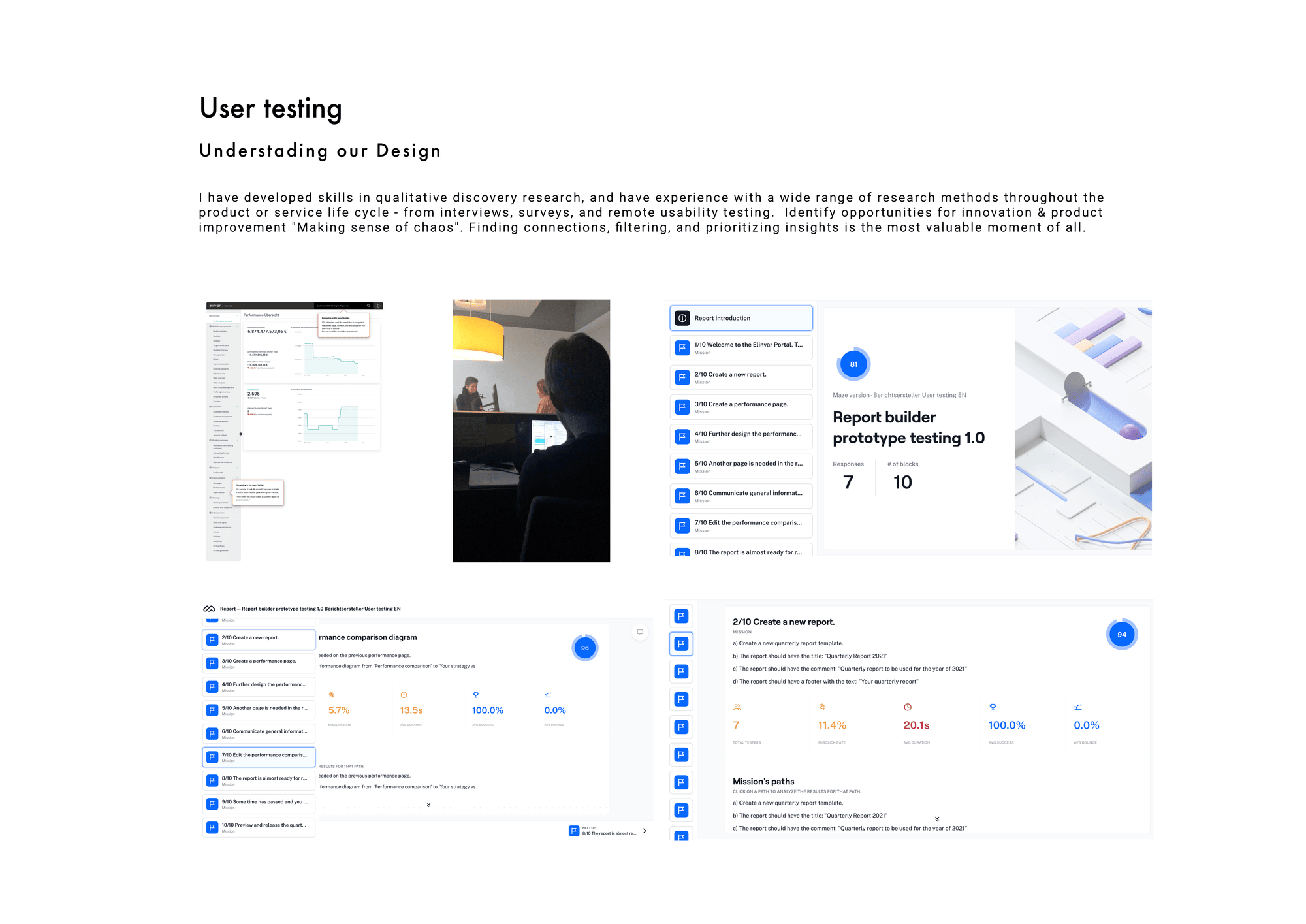
Where stakeholders disagree on the basis of opinion and seniority, the loudest position tends to win. Bringing research and testing into the room changes what the discussion is about — participants argue with the evidence rather than with each other, and the resolution holds afterwards because it was not simply conceded. This is why I bring research and testing tools into these sessions rather than treating them as separate activities.
Documentation is what makes it stick
An unrecorded decision gets relitigated within weeks, usually by whoever was not in the room. Writing down what was decided, what was explicitly rejected, and on what basis, is what converts a good session into something that still holds three months later when the pressure to reverse it arrives.
02 My roleFacilitator with management and key stakeholders since 2019.
- Setting agendas and defining the decision each session had to reach.
- Facilitating workshops with management, product and engineering stakeholders.
- Bringing research and testing evidence into the room to ground discussion.
- Documenting decisions, rejected alternatives and rationale.
- Conducting technical research to establish what was actually feasible before options were debated.
- Building design culture in organisations where design was not yet a decision-making voice.
- Which company, which workshop, what was the decision at stake? (The images on this page are FlixBus — if that is the engagement, say so.)
- Who was in the room, and how many people?
- What format did you run — how long, what structure, what exercises?
- What was decided, and what happened as a result?
- Where was there real disagreement, and how did you handle it?
03 OutcomesShared understanding, documented rationale, and design brought into decisions earlier.
Alignment
Shared understanding and faster decisions between design, product and leadership — with rationale documented so decisions survive contact with the next quarter.
Design culture
Design brought into decisions earlier, as a contributor to what gets built rather than a service applied after the fact.
Key learnings
The hardest part is who is in the room
Replace this with a real one. Prompts: what have you learned about getting senior stakeholders to actually attend? What has failed in a workshop you ran, and what did you change afterwards? What do you do when the person who needs to decide will not commit in the room?