Web — Fintech SaaS
Vaitrade
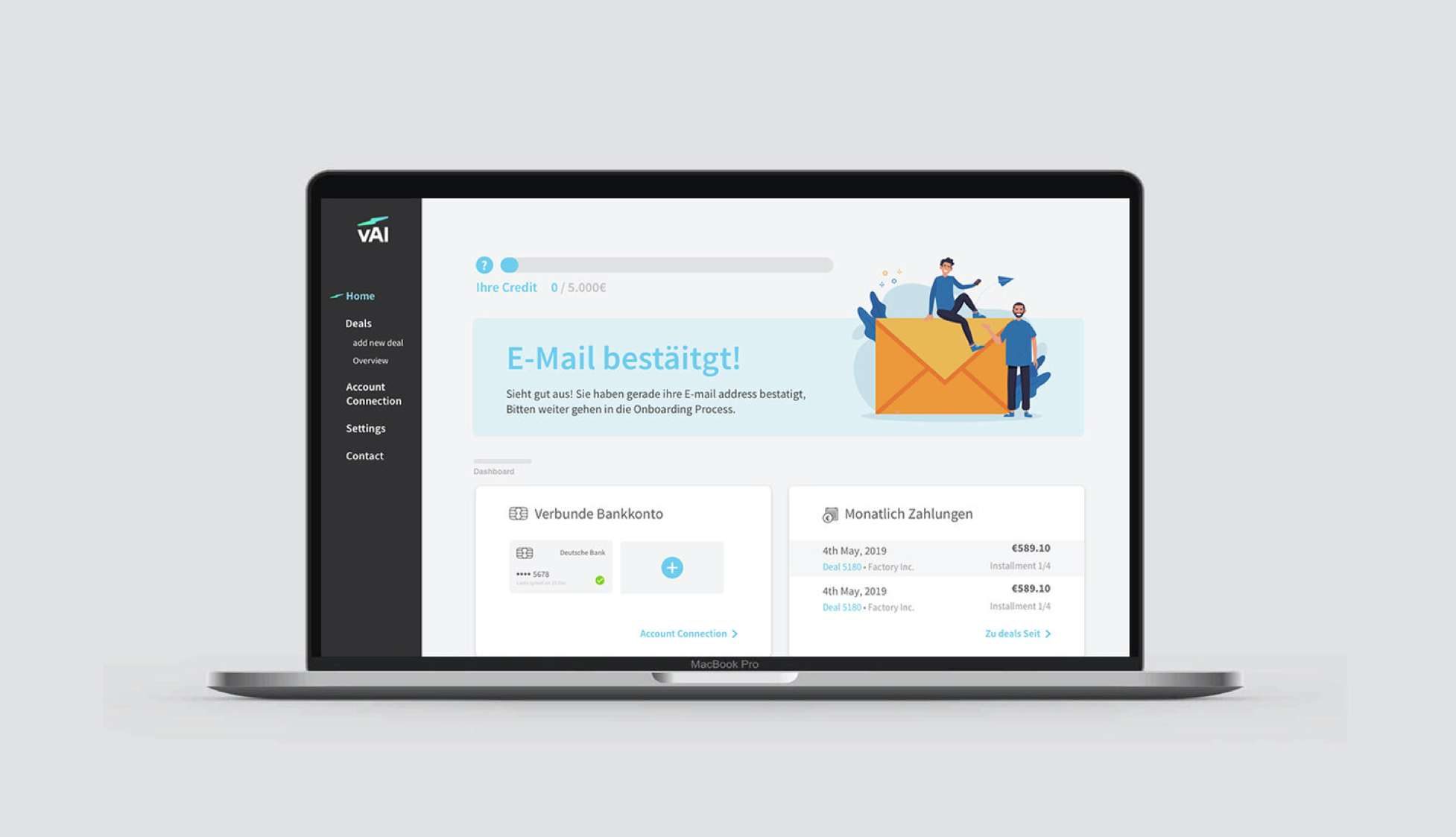
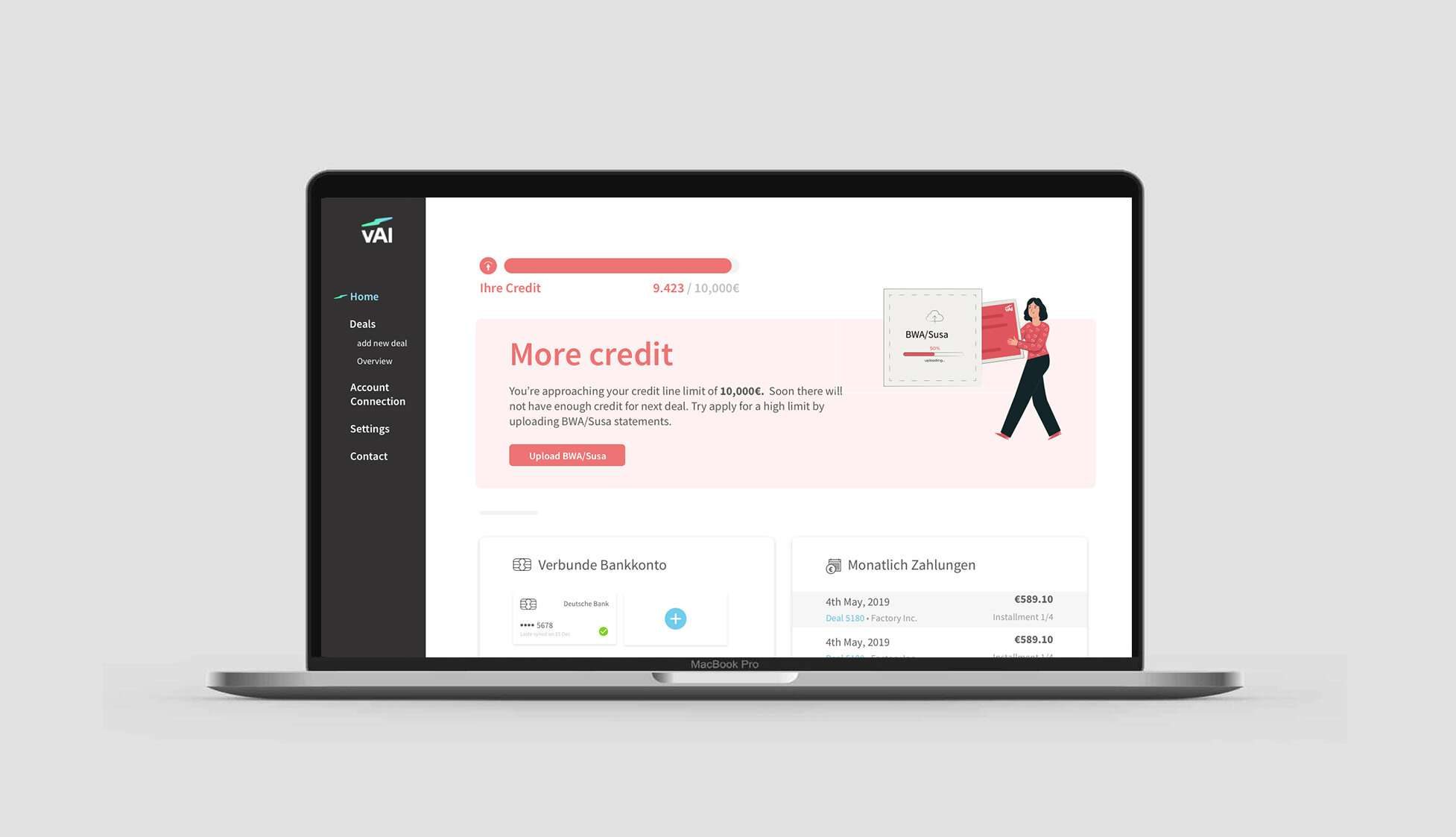
€130M in financing inquiries and 10,000 connected bank accounts within two years — Vaitrade had proven its appeal, but usability gaps were costing it retention. I worked with the product owner on solutions that improved retention and grew deal volume over time.
The problem
Vaitrade had proven demand — but complex workflows and usability gaps meant users didn’t stay, limiting deal volume.
My role
Product designer working end to end with the product owner: wireframes, user flows and interaction concepts for complex workflows, plus design guidelines and process.
Core decision
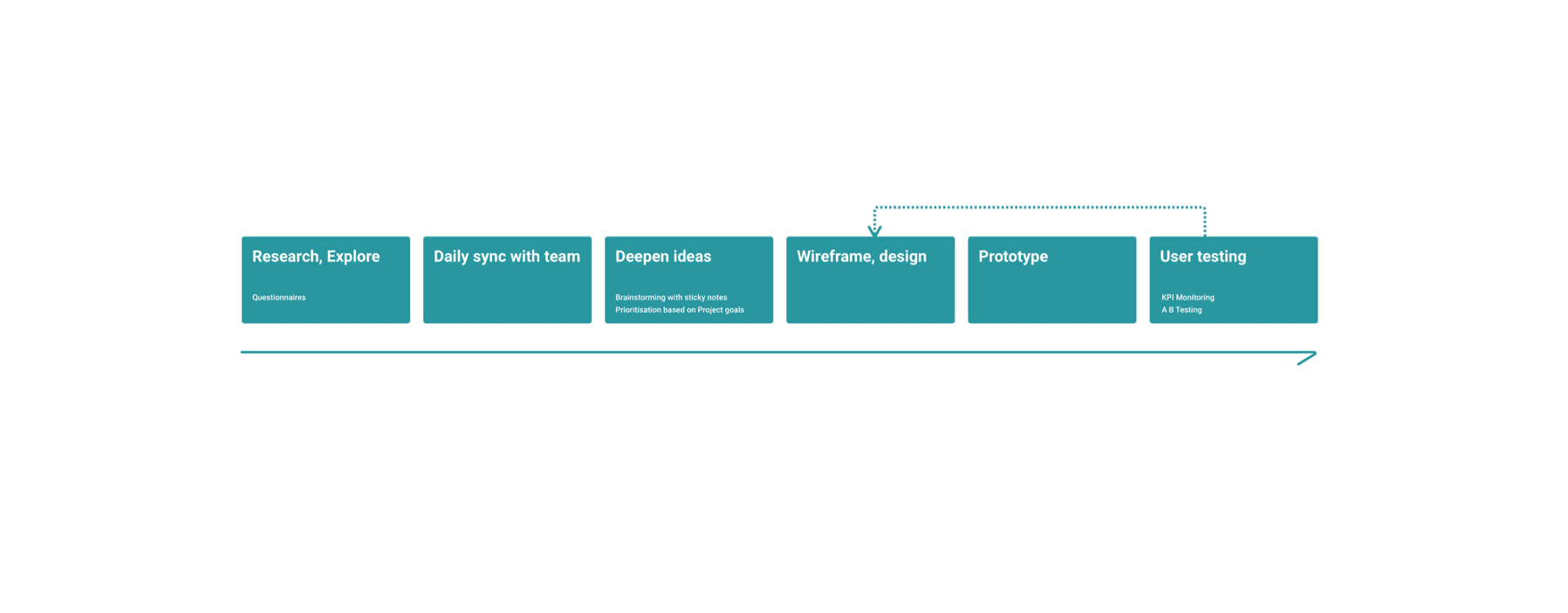
Map the process before designing screens. Retention failures in multi-session financial workflows are sequence problems, not interface problems.
The outcome
Solutions and features that improved retention and grew deal volume over time.
01 Challenge€130M in financing inquiries proved the demand. Complex workflows meant users did not stay.
Vaitrade had established something most fintech products never do: demand. Within two years the platform had processed €130M in financing inquiries and connected 10,000 bank accounts. Those numbers settle the question of whether the proposition works. Businesses wanted the financing, and they were willing to connect their banking data to get it — which in a B2B financial context is a high-trust action, not a casual one.
What the numbers did not show was whether those users stayed. Complex workflows and usability gaps meant the platform converted interest well and retained poorly. That is a specific and expensive failure mode: acquisition costs are paid, trust is granted, banking connections are established — and then the value of that relationship is not realised because the product is harder to use than the problem it solves is worth.
The design problem in trade and working-capital financing is inherent to the domain. A financing request is not a form; it is a structured process involving company data, banking history, documentation, counterparty information and an underwriting decision that happens partly outside the user's view. Users are business owners and finance staff, not financial-product specialists, and they are doing this alongside running the business the financing is for. Every step that requires interpretation is a step where someone stops and does not return.
- What did retention actually look like — where in the workflow did users drop out?
- Were there specific steps known to be problematic before you started?
- Who were the users precisely — SME owners, finance managers, brokers?
- The case study says the work "grew deal volume over time." By how much, over what period? An unquantified improvement next to two very specific numbers (€130M, 10,000) reads as a gap.
02 My roleWorking end to end with the product owner — no buffer between design and product decisions.
I worked directly with the product owner across the full design process — from mapping the existing workflows through to interaction concepts, guidelines and the design process itself. Working in a pair like this removes the buffer between design and product decisions: the same conversation covers user need, commercial constraint and what is actually buildable, and design rationale has to hold up immediately rather than in a later review.
- Conceptualising solutions for the platform's complex financing workflows.
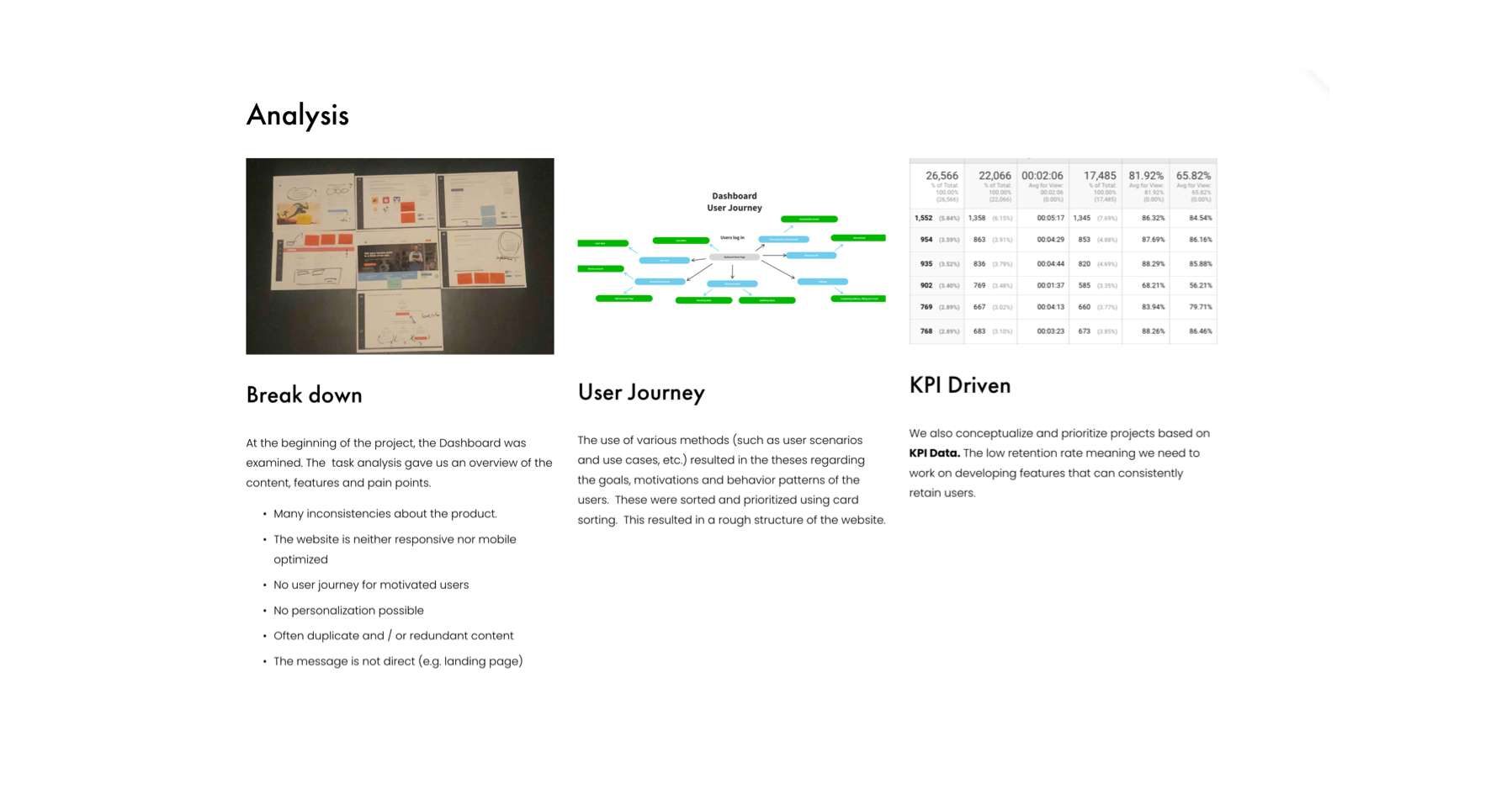
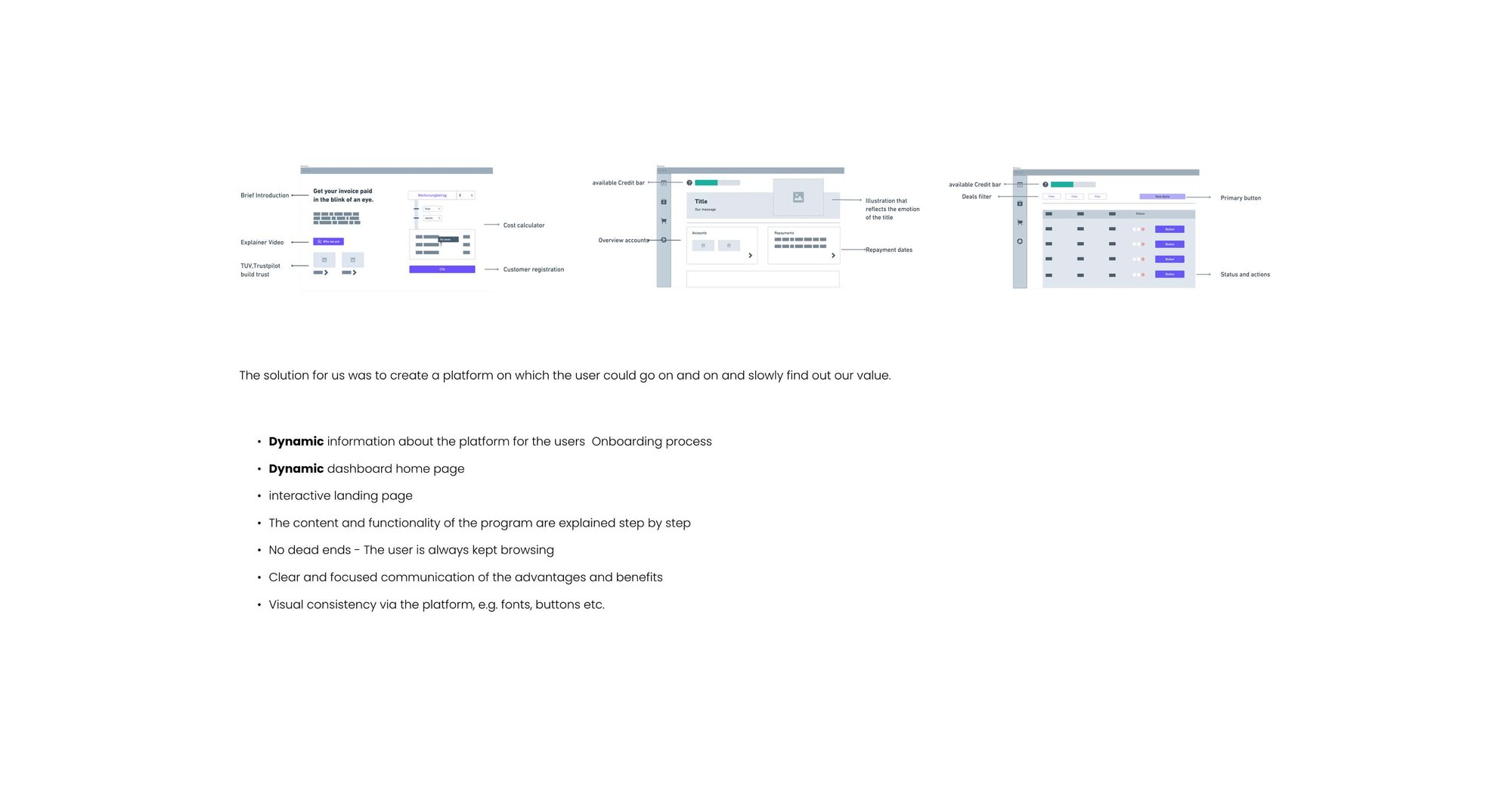
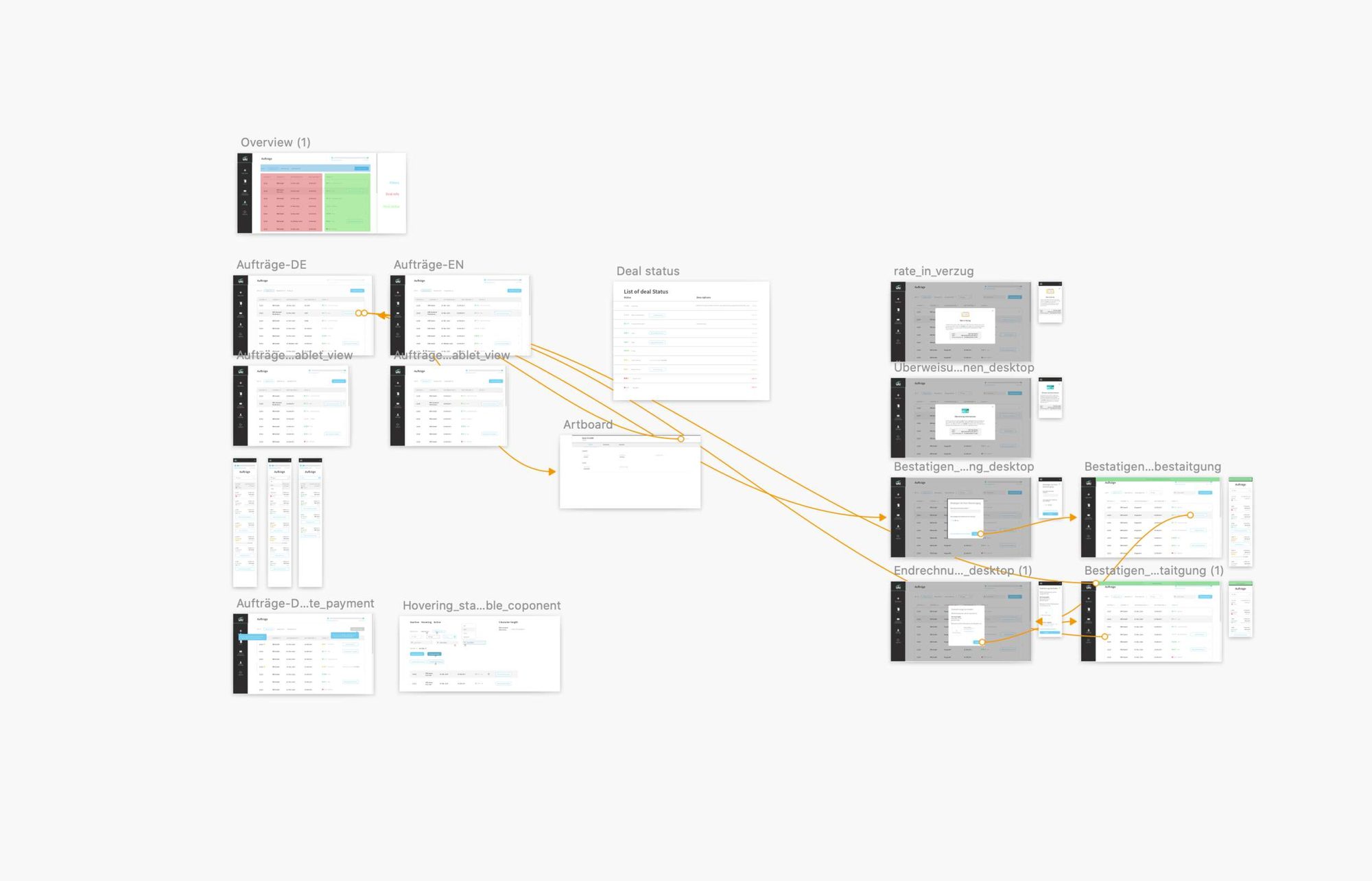
- Mapping process flows and site maps to expose where the existing structure broke down.
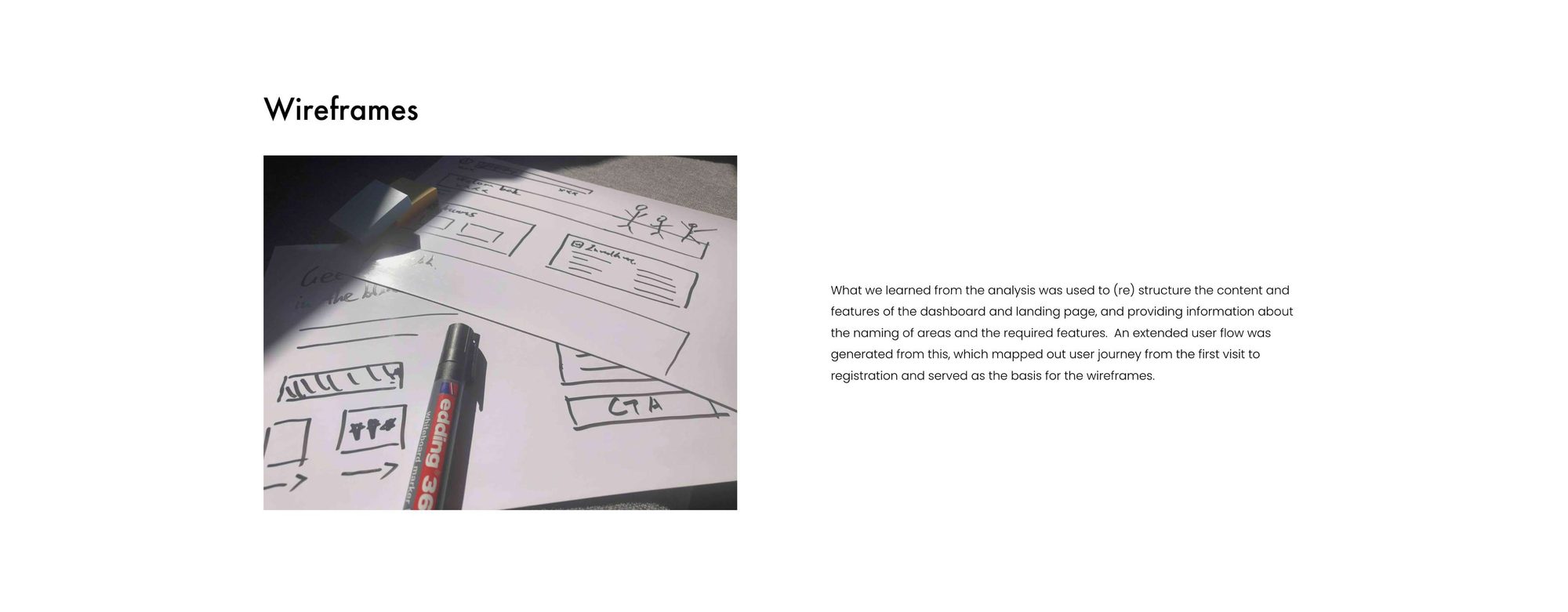
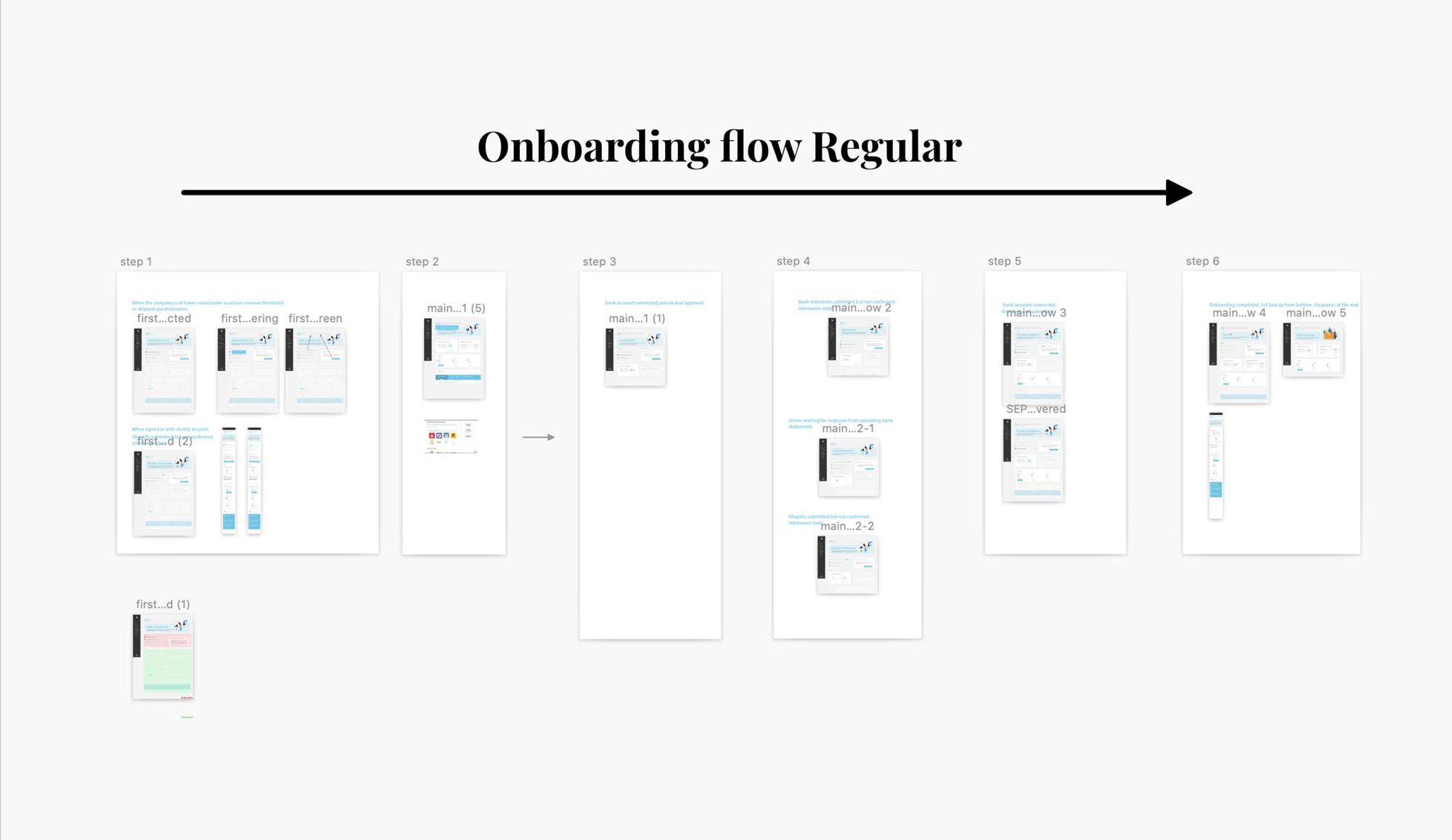
- Producing wireframes and user flows for end-to-end financing journeys.
- Prototyping interaction concepts for review and validation.
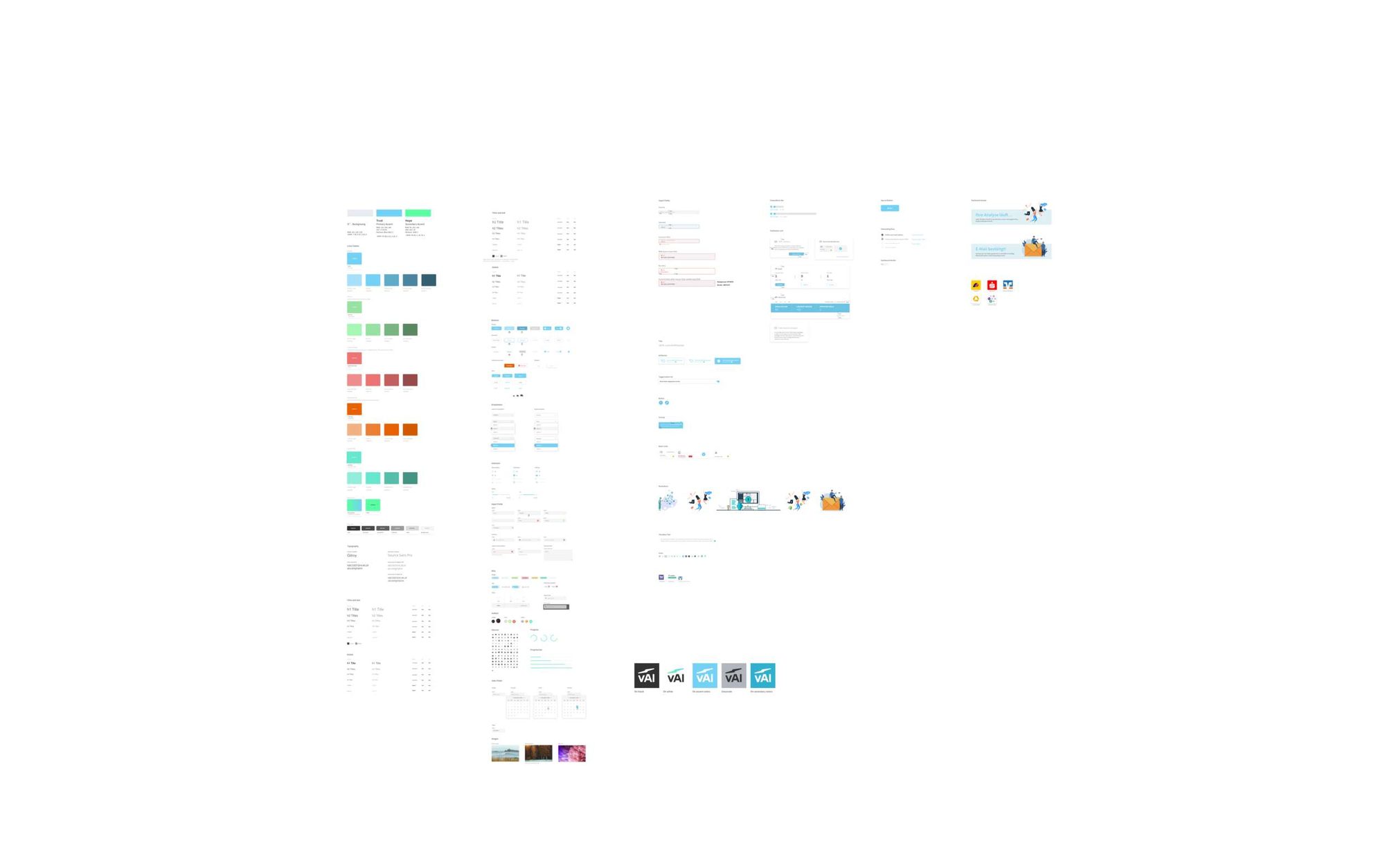
- Establishing design guidelines to keep the platform consistent as it grew.
- Setting up the design process itself, where none was previously defined.
03 Structuring complex financial workflowsApplications are not completed in one sitting. Persistent, legible state is a retention mechanism.
Mapping before designing
I started with process flows and site maps rather than screens. In a platform where the workflow spans multiple sessions, multiple document types and an underwriting process the user only partly sees, the structural map is the design artefact that matters most — it is what reveals whether the problem is the interface or the sequence the interface is expressing. Most retention problems in this kind of product turn out to be sequence problems.
Making progress and state visible
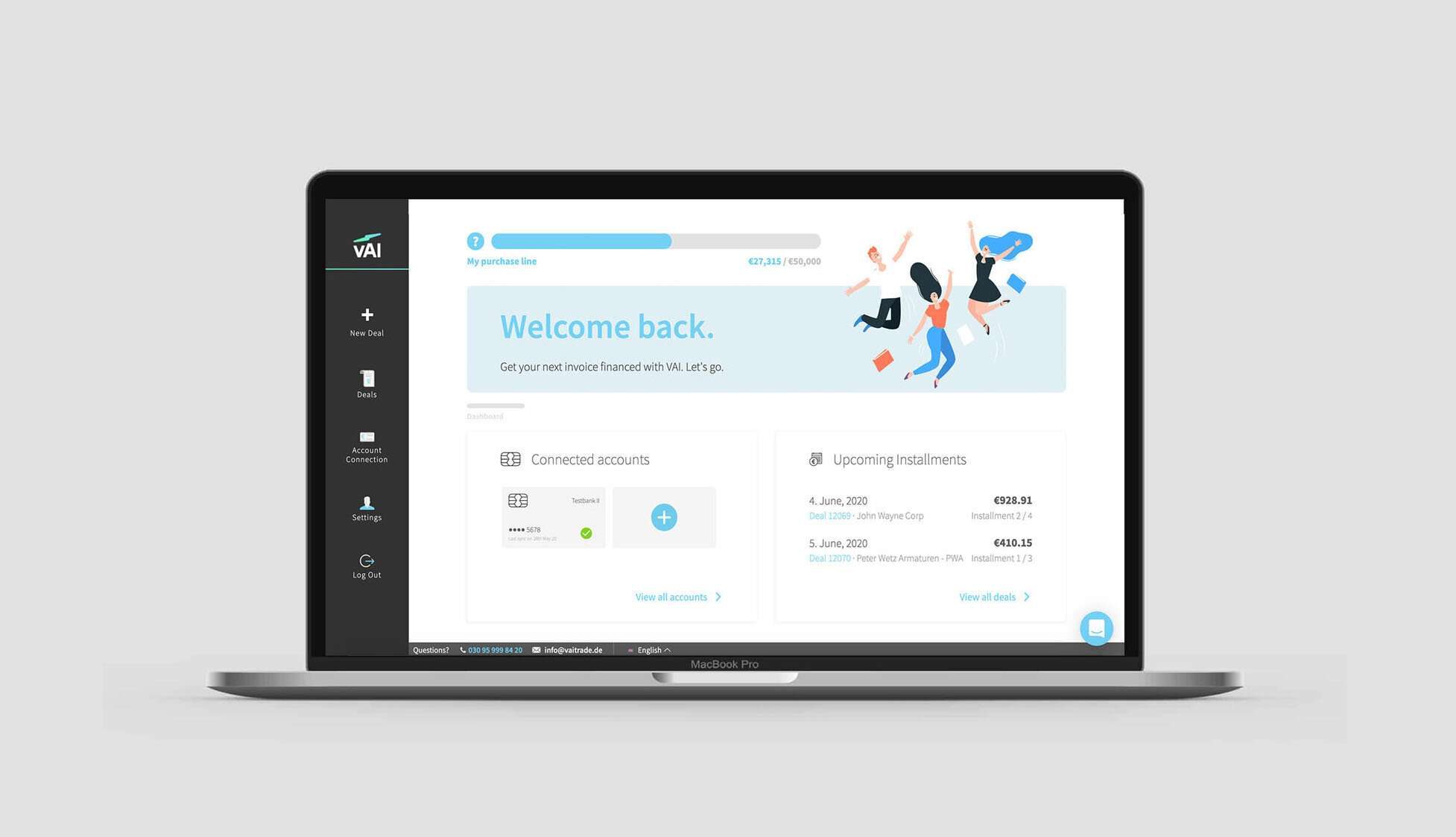
Financing applications are not completed in one sitting. Users leave to find a document, to check a figure with an accountant, to wait on a counterparty. A product that does not make it obvious where you are, what is outstanding and what happens next converts every one of those necessary interruptions into a possible exit. Persistent, legible state is a retention mechanism in workflows of this length, not a convenience.
Asking only for what the user can answer
Financial products routinely ask users to supply information in the vocabulary of the institution rather than the vocabulary of their own business. Each translation the user has to perform is a point of hesitation and a source of error that surfaces later as a rejected or delayed application. Reducing that translation burden — asking in the terms the user already uses, deriving the rest — was a consistent thread through the work.
Establishing a design process where none existed
Part of the engagement was setting up how design work would happen at all: guidelines to keep decisions consistent as the platform grew, and a repeatable process so that design was not re-invented per feature. In an organisation that has grown fast on commercial traction, this is often the highest-leverage contribution available — it changes the quality of every subsequent decision rather than one screen.
- What was the original flow, step by step, and where did it fail?
- What did you change, and what was the reasoning behind each decision?
- What alternatives did you consider and reject?
- What happened after — retention, completion rate, deal volume, support load?
04 OutcomesImproved retention and grew deal volume — and the one number this page still needs.
Product
Solutions and features that improved retention and grew deal volume over time, on a platform that had already proven demand with €130M in financing inquiries and 10,000 connected bank accounts.
Design practice
Design guidelines and a defined design process gave the platform a consistent basis for decisions beyond the individual features delivered.
Key learnings