Web — B2B wealth-tech SaaS
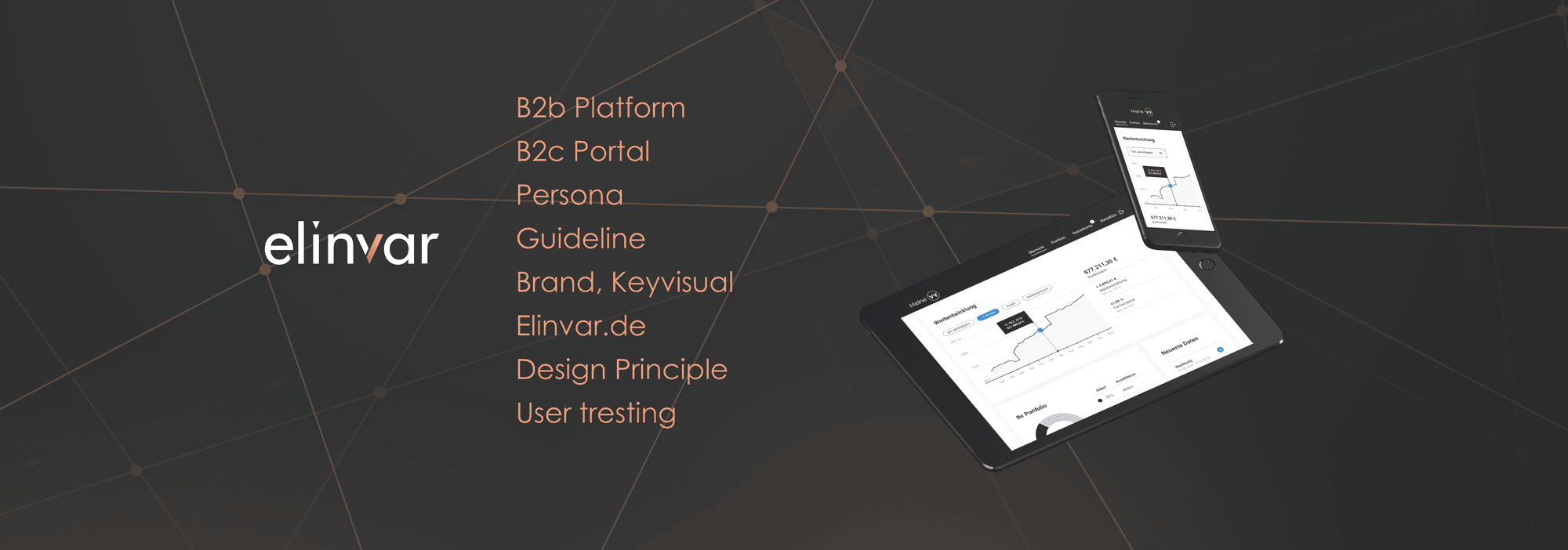
Elinvar
I joined Elinvar in early 2020, at the height of the pandemic. Over two and a half years I designed UX for a complex B2B fintech platform — from information architecture to brand and motion — and took on lead responsibilities within the design team in 2022.
The problem
Wealth managers and banks needed a white-label platform for data-heavy workflows — complex information structures that business clients had to be able to navigate with confidence.
My role
Product designer in a team of three, delivering end-to-end design for new features: user research in Maze to validate decisions, close collaboration with engineering, and alignment with stakeholders up to CTO and C-level. From 2022 I took on lead responsibilities.
Core decision
Structure before surface. Reorganise the information architecture around how advisors actually work daily, rather than optimising screens for first-time comprehension.
The outcome
Structured and simplified information architecture across the platform’s portals, research-validated design decisions, and a brand language carried through client communication and motion.
01 ChallengeWhite-label deployment plus irreducible data density. You cannot simplify by removing the data.
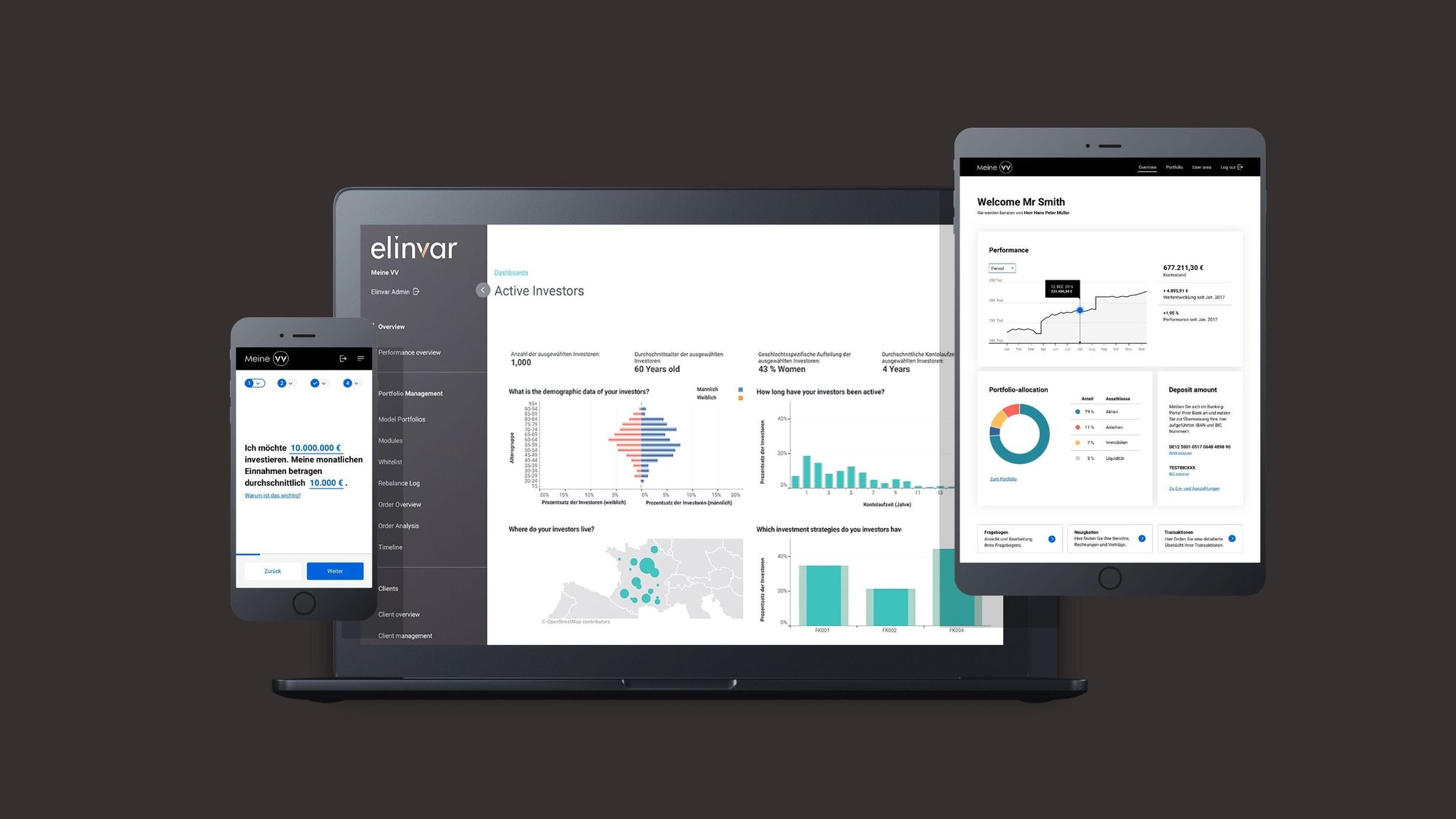
Elinvar builds a platform-as-a-service for wealth managers, private banks and asset managers — institutions that want to run digital wealth management without building the infrastructure themselves. The platform carries the workflows those businesses run on: client onboarding and identification, portfolio construction and rebalancing, order management, reporting, and the documentation trail that regulated financial advice requires.
Two structural constraints shaped every design decision on that product.
The first is white-labelling. The platform is not one product with one audience; it is deployed to multiple institutional clients, each applying its own brand and each with its own view of how its advisors should work. Anything designed too tightly around a single client's assumptions becomes an obstacle at the next deployment. Information architecture, component behaviour and visual language all had to be resilient to being re-skinned and reconfigured without losing coherence.
The second is density. These are not consumer screens. A relationship manager works across portfolios, positions, transactions, mandates, suitability records and client history — often simultaneously, often under time pressure, and with regulatory consequences attached to getting it wrong. Simplification in the consumer sense is not available: you cannot remove the data. The design problem is structuring density so that a professional user can navigate it with confidence, which is a different discipline from reducing it.
I joined in early 2020, remotely, at the height of the pandemic — into a complex regulated domain, with no in-person access to the team or to the users whose work the platform supported.
- How many institutional clients were live or in implementation on the platform?
- Roughly what assets under management did it administer? (If public, this is a strong number.)
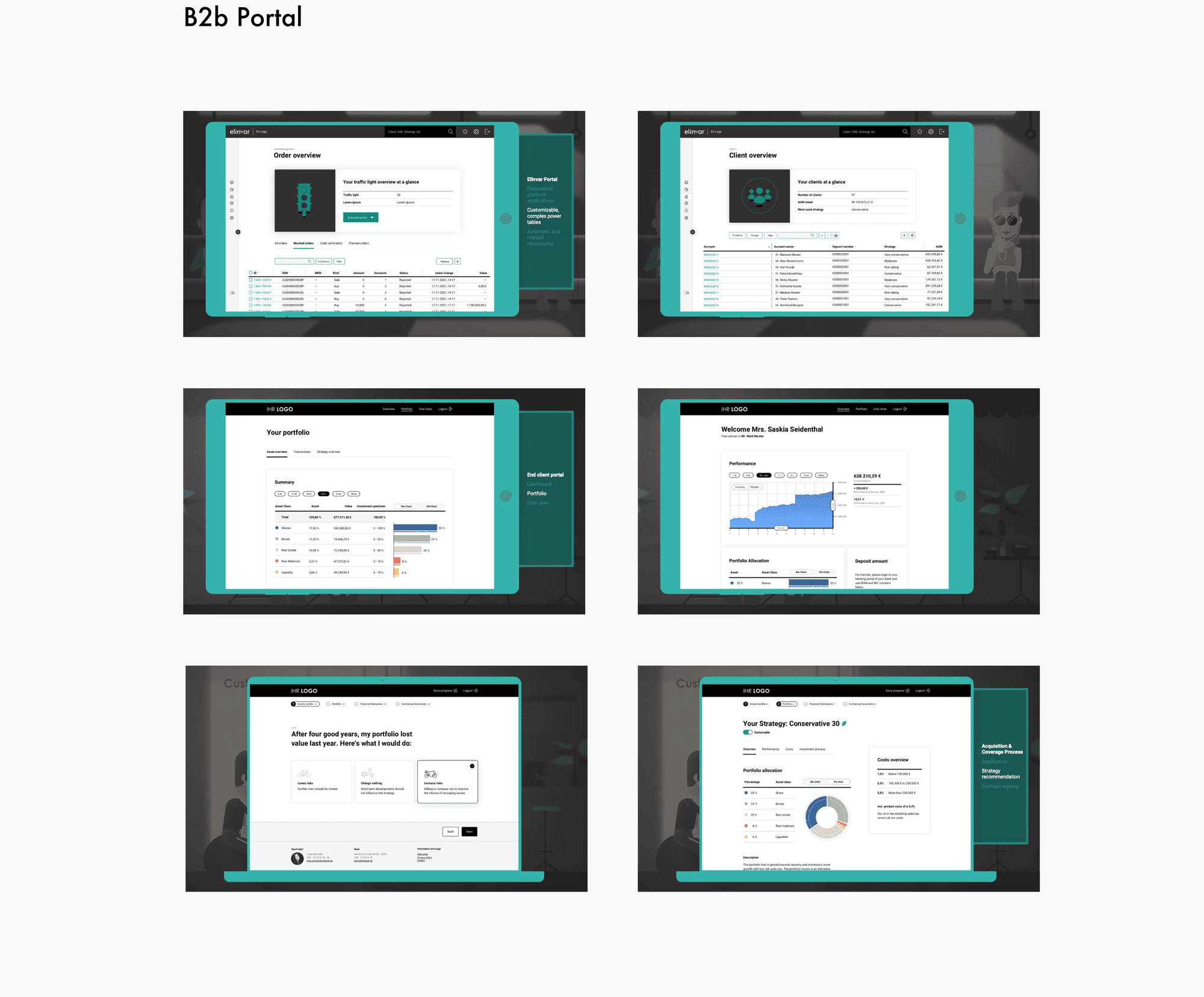
- Which portals existed — advisor, end-investor, back office, admin? Name them.
- How large was the engineering organisation you designed for?
02 My roleOne of three designers on a platform of this scope — ownership broad by necessity, lead responsibilities from 2022.
I delivered end-to-end design for new platform features across two and a half years — from information architecture through interface design to the brand and motion work that surrounded the product. In a three-person design team supporting a platform of this scope, ownership is broad by necessity: I worked directly with engineering on feasibility, ran validation myself rather than commissioning it, and took design decisions into stakeholder conversations that reached CTO and C-level.
From 2022 I took on lead responsibilities within the design team.
- Structuring and simplifying information architecture across the platform's portals.
- Designing end-to-end feature flows for data-heavy, regulated wealth-management workflows.
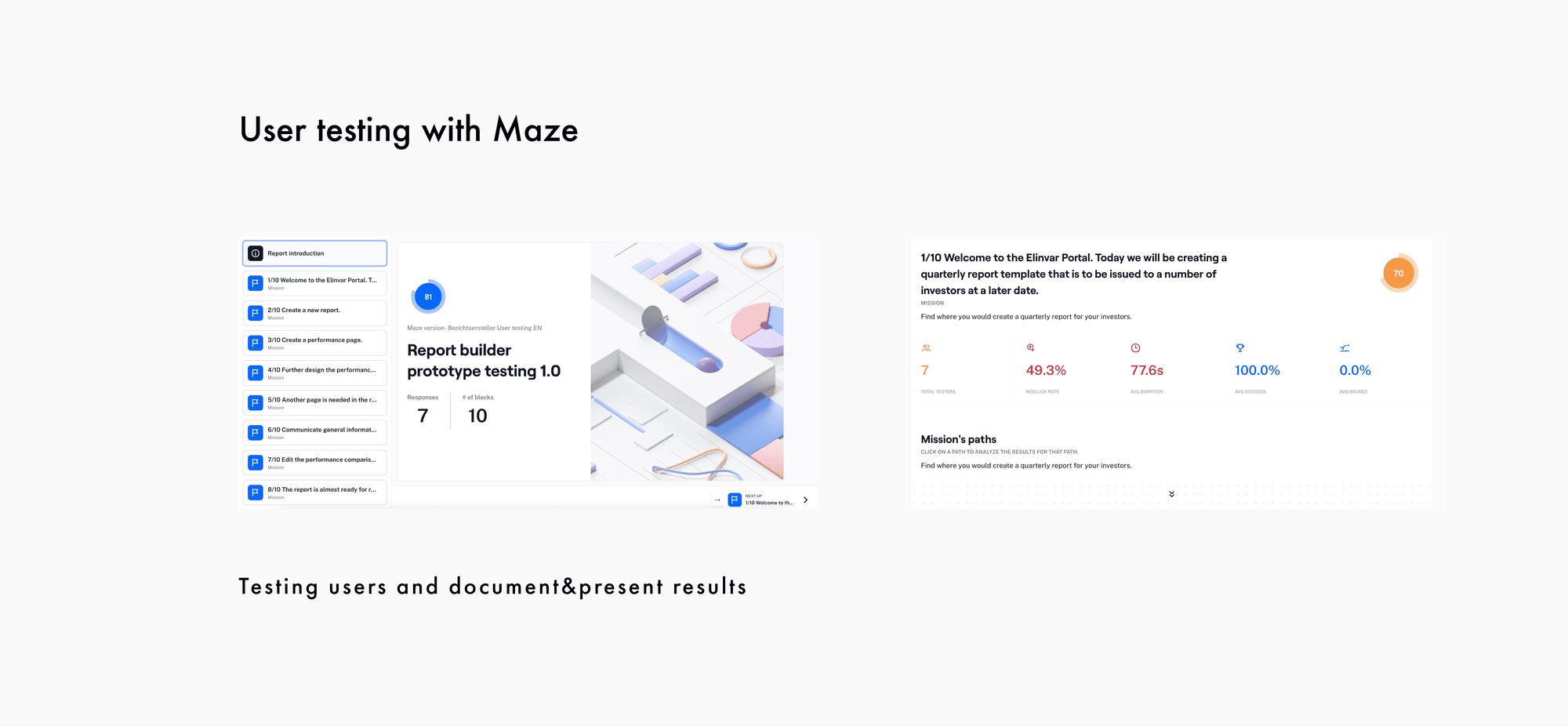
- Running unmoderated user research in Maze to validate design decisions before build.
- Collaborating with engineering throughout implementation rather than at handoff.
- Aligning design direction with stakeholders up to CTO and C-level.
- Developing brand language and carrying it through client communication, assets and motion.
- Taking on design-team lead responsibilities from 2022.
03 Information architecture in a dense domainMost usability problems that present as interface problems are structural ones.
Structure before surface
In data-heavy B2B products, most usability problems that present as interface problems are actually structural ones — information grouped by how the system stores it rather than by how the user works, hierarchies that expose implementation rather than task, navigation that mirrors the org chart of the team that built it. Interface polish cannot compensate for that. The majority of the value I delivered came from reorganising what sits where and why, before any visual decision was made.
Designing for professional users, not novices
Advisors use this platform every working day. That inverts several consumer defaults: discoverability matters less than efficiency, progressive disclosure can become an obstacle rather than a kindness, and density that would overwhelm a first-time user is what an expert needs to work at speed. The design target is not immediate comprehension — it is a structure that supports a professional's mental model once learned, and stays predictable as the platform grows.
Resilience to white-label deployment
Every structural decision had to hold across institutions with different branding, different product configurations and different internal processes. This constrained how tightly interface and content could be coupled, and pushed toward components and layouts that carry meaning through structure and hierarchy rather than through brand-specific styling alone.
- What was the structure before, and what specifically was wrong with it?
- What did you change it to, and what was the reasoning?
- What did you consider and reject along the way?
- How did you know it was better — Maze results, advisor feedback, support volume, task time?
04 Validating decisions with researchUnmoderated testing converts internal disagreement into a testable question.
I ran user research in Maze to validate design decisions before they reached engineering. In a small design team working on an expensive-to-build platform, the value of unmoderated testing is not primarily that it produces insight — it is that it converts internal disagreement into a testable question. Where stakeholders held different views about a structure or a flow, running it was faster and more conclusive than continuing to argue it.
Unmoderated remote testing
Maze
Flows and IA before build
Add sample sizes
- How many studies did you run over the two and a half years?
- Typical participant count per study?
- Were participants internal, client advisors, or end investors?
- Pick one study and report it fully: what you tested, what you expected, what came back, and what you changed as a result — including a case where the result contradicted you. Those are the most persuasive ones to write up.
05 Beyond the interfaceIn B2B platform sales, brand is part of how credibility is established before a contract exists.
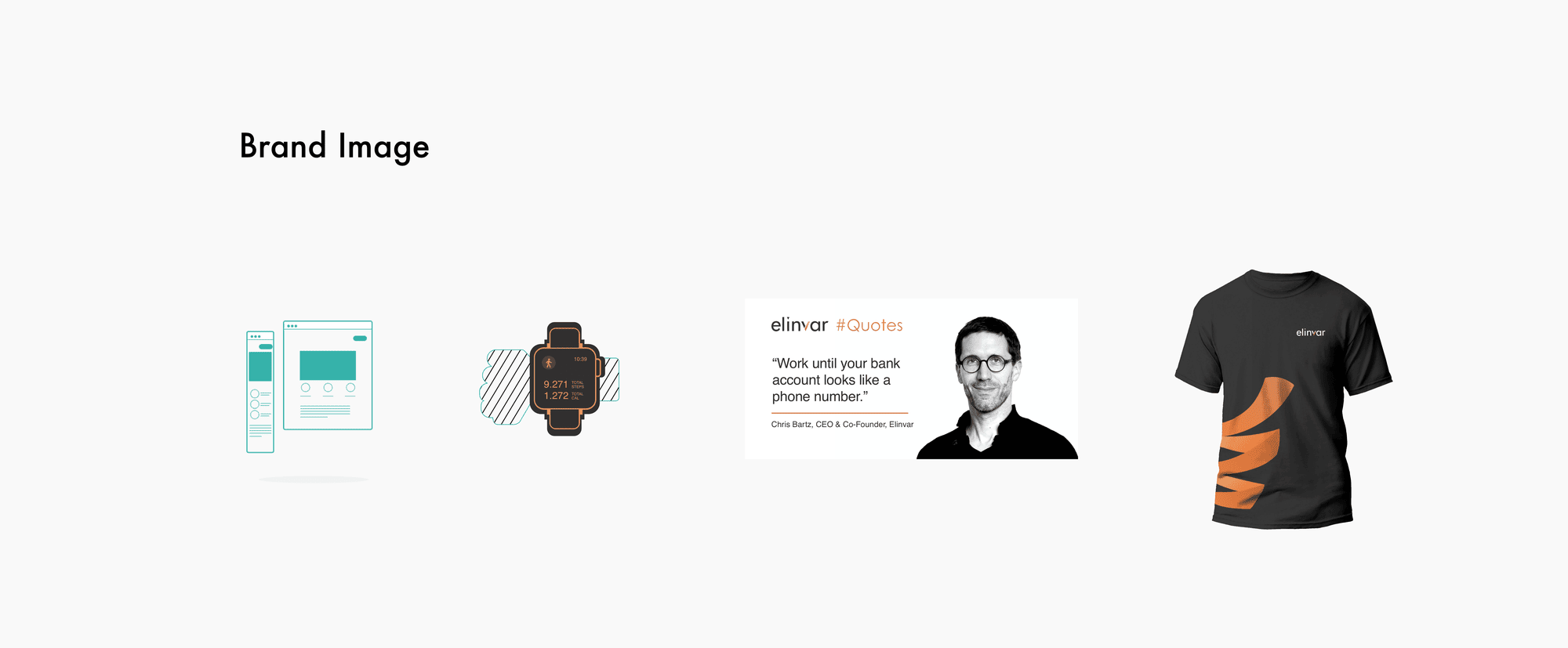
Alongside product work I developed brand language and carried it into client communication, asset production and motion design. In a B2B platform business this is less peripheral than it sounds: the institutions evaluating Elinvar are making a multi-year infrastructure commitment, and the material they assess it through — pitch assets, product communication, the way the platform presents itself — is part of how credibility gets established before any contract exists.
Working across both meant the visual language of the product and the language of the company reinforced each other rather than diverging, which is a common failure in companies where brand and product design sit in separate teams.
06 OutcomesRestructured IA across the platform's portals; moved from delivering work to shaping how decisions were made.
Design
Structured and simplified information architecture across the platform's portals, with design decisions validated through research rather than settled by seniority. Brand language developed and carried consistently through product, client communication and motion.
Team
Took on lead responsibilities within the design team from 2022, moving from delivering my own work to shaping how design decisions were made and defended across a three-person team supporting a platform of considerable scope.
Key learnings
- What did joining a complex regulated domain remotely, mid-pandemic, teach you about ramping up?
- What did stepping into lead responsibilities reveal that you had not anticipated?
- Where did you and engineering diverge, and what did you change about how you work as a result?
- What would you tell a designer joining a three-person team on a platform this size?